
The history and divergent views on grizzly bear hunting in British Columbia, Canada
In 2018, the government of BC declared a trophy hunting ban for all non-First Nations on grizzly bears due to their threatened status in the province.
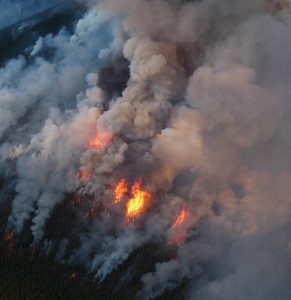
Wildfire Management in the Province of Alberta, Canada: Then, Now and the Future
The Indigenous peoples of what is now Alberta, Canada have been using fire as a tool to shape the landscape and its resources since time immemorial.
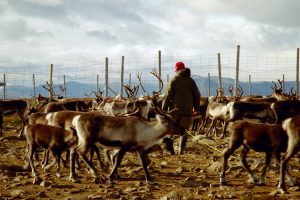
Land conflicts and negotiation processes between Sami reindeer herders and the forestry sector in northern Sweden
This case study is about consultations and land-use conflicts between the Indigenous Sami people and the forestry sector in northern Sweden.
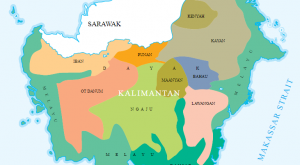
Community-based Fire Management in East Kalimantan, Indonesia
This case study examines the community forestry management approach to the forest fires in East Kalimantan, Indonesia. It explores the current tenure system with the legal and illegal methods of deforestation used annually, encompassing the various stakeholders that are involved, including the government and the indigenous community, and the transition into community forestry in the East Kalimantan region.
Assessing non-timber forest products’ use in Vandeikya Local Government Area of Benue State, Nigeria
Globally, about 1.6 billion rural people’s livelihoods depend fully or partially on products derived from local forests, these people live within or adjacent to the forest and have relied on these wild and natural resources to meet their basic needs for survival and livelihoods for many generations.

Building Trans-Inclusive Learning Spaces: Considerations for Instructors and Teaching Assistants
You are teaching an introductory biology course with a team of four Teaching Assistants (TAs) who each lead multiple lab sections. One of your TAs, Rachel, approaches you because she has heard from one of the other TAs, Grey, that they are struggling with one of their lab sections. Grey identifies as non-binary and uses “they/them” pronouns but some students repeatedly use “she” during one lab section despite some reminders and gentle corrections.

The 2015 European Refugee Crisis
In 2015, a record 1,005,504 asylum seekers and migrants reached Europe in search of security and a better future. That same year, almost 4,000 people went missing in the trajectory to Europe, with many presumed to have drowned in the Mediterranean. Fifty percent of people came from Syria, followed by Afghanistan and Iraq. Most people landed on the shores of Italy and Greece, while others trekked from Turkey, through the Balkan states, into Hungary. The majority of refugees and migrants aimed to go to northern and western Europe, particularly Germany and Sweden, where reception and support facilities were deemed to be better. These countries were already home to family and community members of the countries of origin, which asylum seekers hoped would facilitate integration.
Who belongs in the outdoors doing fieldwork?
You teach a first year geology course. A program advisor in your department comes to you with a concern that was brought up by a female student in your course. According to the program advisor, the student is really enjoying the course and has decided she wants to major in geology. However, she doesn’t feel that she “belongs” in the discipline…

Writing as the test of knowledge?: Towards more inclusive course design
This case study scenario illustrates a common missed step in course design, especially among instructors who were trained in disciplines that traditionally rely on one particular form of assessing student learning (in this case, writing). One of the key guiding principles of learner-centred course design is to align three features of a course…

What I Learned In Class Today
You are teaching a second year political science class. At the start of each class, you open with a short discussion topic on relevant news in the media and its’ impact on Canadian politics as a way for your students to apply theory to practice. A student in your class, Karen, brings up the two verdicts of Colten Boushie and Tina Fontaine and how these two verdicts have been all over her social media…