
Why the struggles of the Shuar Indigenous People in Ecuador to conserve their culture are key to local conservation
The Shuar were the first Indigenous people in Latin America to establish a formal indigenous organization, serving as an example to indigenous groups all over the region fighting for their territories.
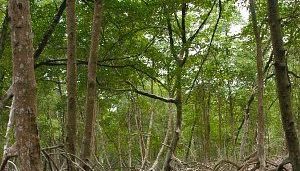
The Mangrove Ecosystem, Ucides cordatus, and the Local Economy in the Caeté Estuary, Northern Brazil
This study investigates the mangrove ecosystem of the Caeté Estuary in Northern Brazil. It explores the complexity of the ecosystem, the local populations’ primary food resource – the mangrove crab, and economic issues arising from environmental degradation
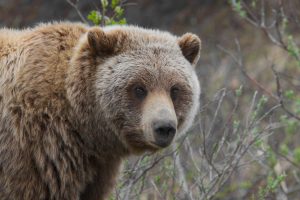
The history and divergent views on grizzly bear hunting in British Columbia, Canada
In 2018, the government of BC declared a trophy hunting ban for all non-First Nations on grizzly bears due to their threatened status in the province.
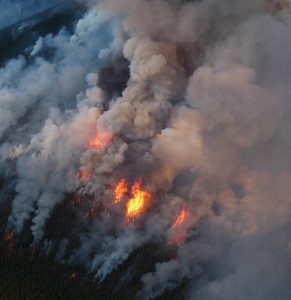
Wildfire Management in the Province of Alberta, Canada: Then, Now and the Future
The Indigenous peoples of what is now Alberta, Canada have been using fire as a tool to shape the landscape and its resources since time immemorial.
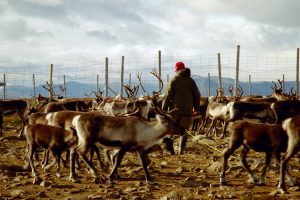
Land conflicts and negotiation processes between Sami reindeer herders and the forestry sector in northern Sweden
This case study is about consultations and land-use conflicts between the Indigenous Sami people and the forestry sector in northern Sweden.
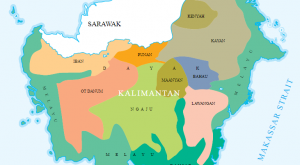
Community-based Fire Management in East Kalimantan, Indonesia
This case study examines the community forestry management approach to the forest fires in East Kalimantan, Indonesia. It explores the current tenure system with the legal and illegal methods of deforestation used annually, encompassing the various stakeholders that are involved, including the government and the indigenous community, and the transition into community forestry in the East Kalimantan region.
Assessing non-timber forest products’ use in Vandeikya Local Government Area of Benue State, Nigeria
Globally, about 1.6 billion rural people’s livelihoods depend fully or partially on products derived from local forests, these people live within or adjacent to the forest and have relied on these wild and natural resources to meet their basic needs for survival and livelihoods for many generations.

Forest Resource Management in Harrop-Procter Community Forest, BC, Canada
Harrop-Procter Community Forest (HPCF) is located in the small communities of Harrop and Procter in southwestern British Columbia (BC), Canada. It covers 11,300 hectares of Provincial Forest Crown land…
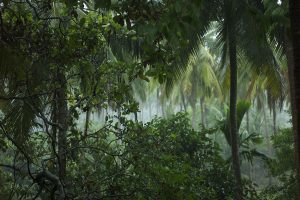
Forest management in Ban Thung Yao Community in Thailand
Ban Thung Yao village is located in the Lamphun province of Northern Thailand. Members of the community have been managing the forests since their settlement in 1915. They depend on the forest to extract both …
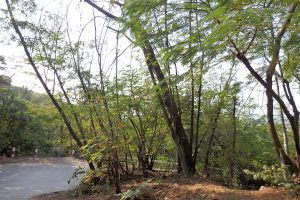
The contribution of community forest to Yoe Sone Community Forestry, Wan Twin Township, Mandalay Region, Myanmar
Yoe Sone Community Forestry, located at Dry Zone Region of the Myanmar, had become a successful model of the country because of its improved livelihood and sustainable …